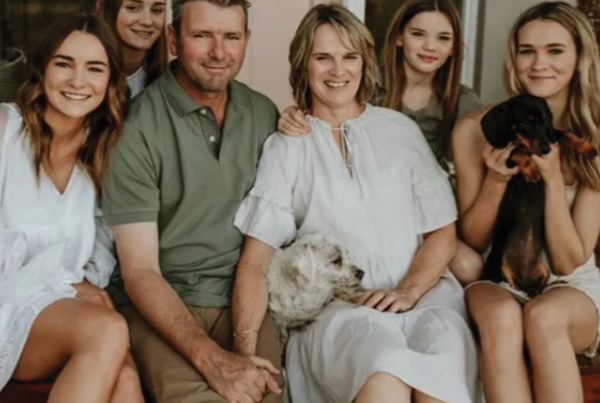
Maggie Jarrett
At a glance
Who:
Maggie Jarrett
What:
Wine producer and export & ESG manager
Where:
See Saw Wine, Canobolas, NSW
Tell us a little bit about your farm and how climate change has impacted your enterprise most?
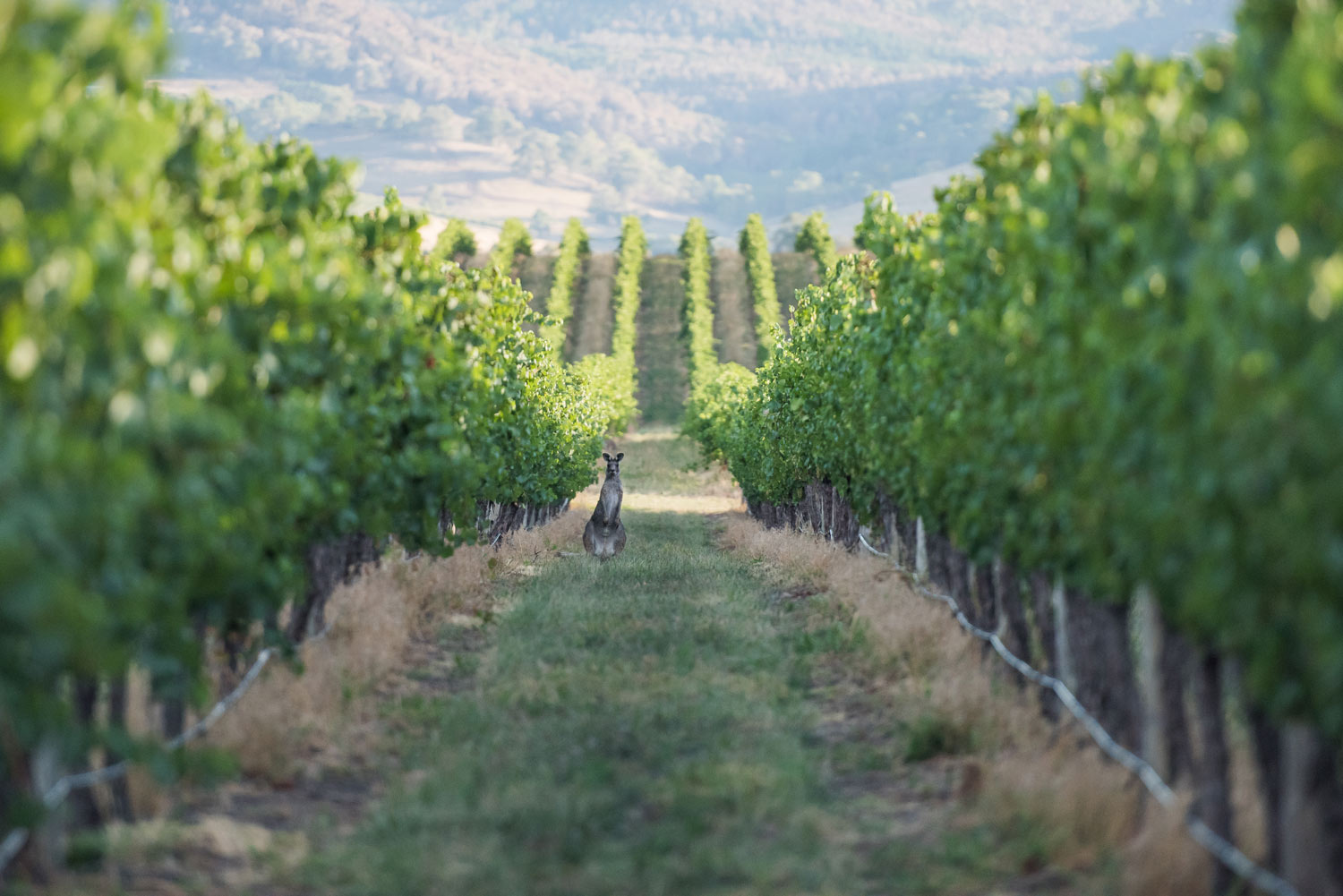
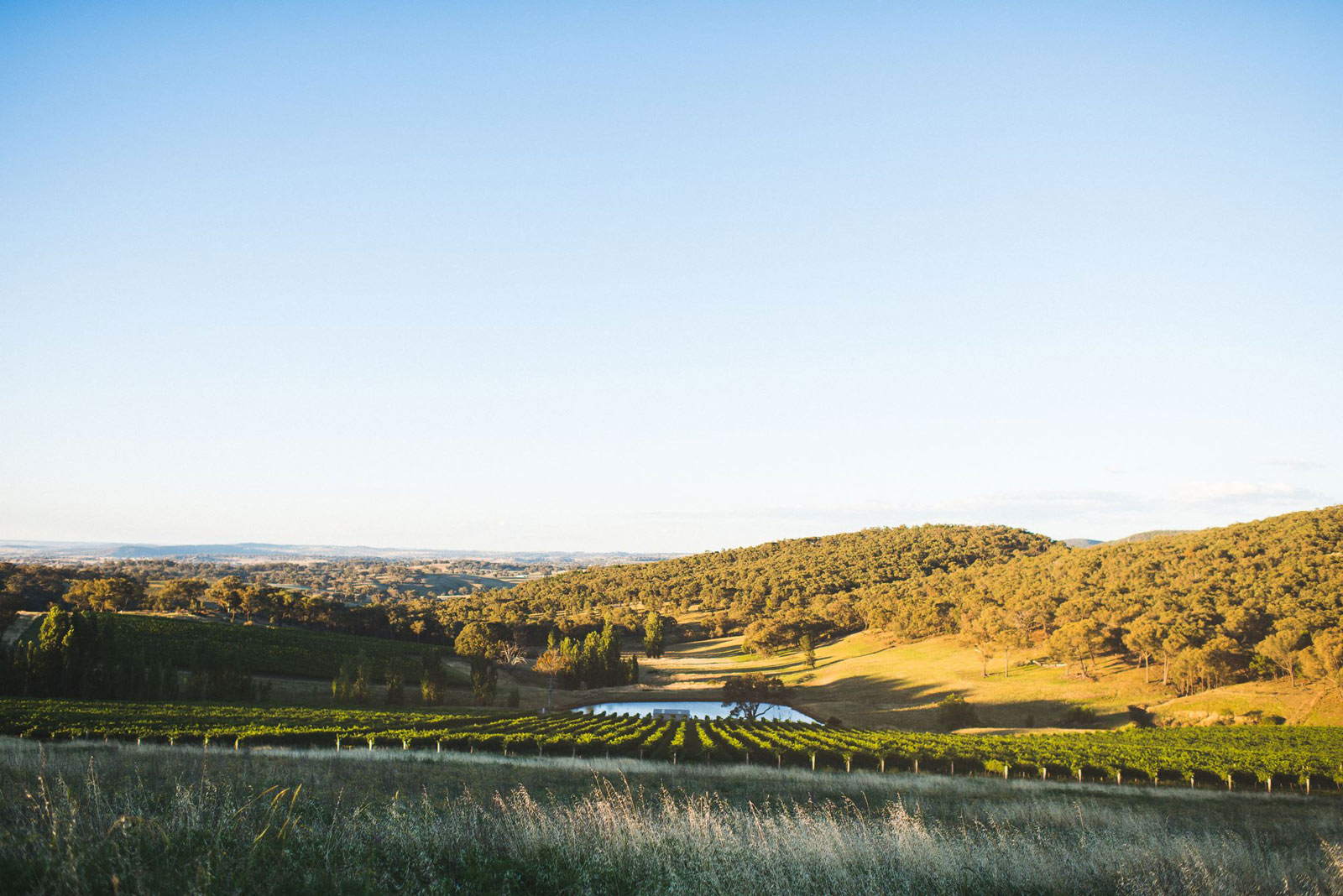
I work for our family business, See Saw Wines which is a certified organic, integrated wine business located just outside of Orange. Alongside our vineyards, we run Dorper lambs through the system to support mid-row management and keep our non-vineyard paddocks healthy.
As a perennial crop business, the impacts of a changing climate are not abstract, they're written into every vintage. In the vineyard, we're seeing more severe weather events: late frosts, intense hailstorms, increased spring rainfall driving disease pressure, and heatwaves that disrupt grape phenology. The cumulative effect is lower average yields, more pressure on our vineyard crew, and a business that has to problem-solve in ways it simply didn't have to before. Perhaps the most telling shift is in our harvest window. What once ran for around eight weeks has compressed to five or six and that intensity takes a real toll on both our vineyard and winery teams.
What are some of the on-farm adaptations you've been employing, and how successful have they been?
It's not all bad news and I think that's an important thing to say. We measure and record these impacts precisely so we can adapt and continue to operate sustainably into the future.
Across our three vineyard sites at 700, 800 and 900 metres, we've made significant variety changes, moving Pinot Noir and Sauvignon Blanc higher up the mountain, and introducing varieties like Prosecco and Gamay that are more water-efficient and less disease-prone. The bonus? These also happen to be varieties consumers are genuinely excited about right now. Adaptation doesn't have to mean sacrifice.
All new plantings go in on drought-tolerant rootstock to reduce water dependency. But the change I'm most proud of is what's happened beneath our feet. Our 100% organic system is built on the belief that healthy soils grow healthy vines. Over the thirty years my parents Justin and Pip have been running this business, our average soil organic matter has climbed from 1% to 4% across all three farms. That might sound technical, but the implications are profound, ground cover keeps soils cooler, higher organic matter means healthier, more stress-tolerant vines, and critically, better water-holding capacity. In a drought, that's a lifeline. In a heavy downpour, it's the difference between the soil absorbing water and losing it and your topsoil to runoff. On the energy side, 40kW of solar and 200kW of battery storage gives us a level of energy security that insulates the business from some of the volatility we can't control elsewhere.
Noting that 2026 is the International Year of the Woman Farmer, what role do you think women can play in addressing climate challenges in agriculture?
As a woman working in agriculture, this question feels both timely and personal.
During my Nuffield Scholarship last year, I travelled the world examining agricultural systems and one of the things that struck me most was how women farmers approached the question of climate. It was rarely through a purely production lens. Time and again, the conversations I had with women centred on the whole system: land health, food security, community resilience, the wellbeing of people.
That perspective matters enormously, because climate change isn't only an agricultural challenge, it creates social justice issues that ripple far beyond the farm gate. The empathy and lateral thinking I encountered in women I met around the world made me genuinely optimistic about the future of farming. But optimism only converts to outcomes when women have seats at the decision-making tables whether that's within a farming business, at industry level, or in the policy and finance rooms where the biggest calls are being made.
Want to be a farmer in focus?